
Blog
Secure casino payments: protect your account while you play

Safe payment habits are an essential part of online casino play. Deposits and withdrawals involve personal and financial information, so it is worth understanding how a casino handles transactions before you use an account, including how no kyc casino australia options may affect verification and payment safeguards. This guide explains practical ways to protect payment details, recognize warning signs, and make informed choices. No security measure can remove every risk, and payment methods vary by location, but careful checks and consistent account safeguards can reduce avoidable problems while you play.
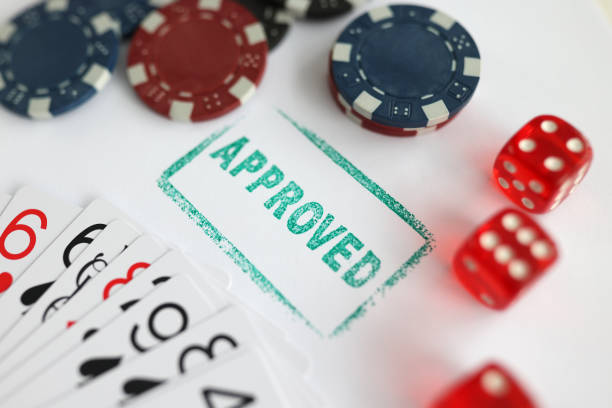
What makes casino payment security worth a closer look
Casino payments connect your account to a bank card, bank transfer, e-wallet, or another supported method. That makes the payment process more than a matter of convenience: it also raises questions about data handling, identity checks, transaction records, and withdrawal rules. Before depositing, review the casino’s published payment information and confirm that the site is authorized to serve players in your location. Look for clear details about accepted methods, processing times, fees, and verification. If essential information is missing or difficult to understand, pause rather than sharing financial details under pressure.
Security is shared between the casino, the payment provider, and the player. A casino may use encrypted connections and account monitoring, while a bank or wallet provider may offer transaction alerts or extra verification. Those tools work best when you also use a unique password, keep devices updated, and avoid signing in through messages or unfamiliar links. Payment safety should be considered alongside responsible play: set a budget before depositing, use only money you can afford to lose, and do not treat a payment method as a way to recover losses.
How to make a casino payment more safely
Use a deliberate process for deposits and withdrawals rather than rushing through payment screens. First confirm that you are on the casino’s genuine website or official application, then check the transaction details before approving anything. A trustworthy process should identify the payment method, amount, currency, and any applicable fees. If the information differs from what you expect, do not proceed until you have checked with the casino or payment provider using contact details found independently of a suspicious message.
- Check authorization: Confirm that the casino is licensed to operate where you live and read its payment and withdrawal terms.
- Protect your login: Create a unique password, enable additional sign-in verification where available, and never share one-time codes.
- Choose a suitable method: Compare available options for fees, privacy, processing time, and dispute support before depositing.
- Review the transaction: Verify the amount, currency, recipient, and any conversion charge before you approve the payment.
- Keep records and monitor activity: Save confirmations and check account and payment statements for unfamiliar transactions.
- Use a private, trusted device and a secure internet connection for account access.
- Keep casino login details separate from banking and email passwords.
- Set deposit limits before play, and avoid increasing them to chase losses.
- Contact the payment provider promptly if a transaction looks unfamiliar.
Practical checks for deposits and withdrawals
Payment rules can differ by method and jurisdiction, so read the cashier information before choosing how to fund an account. Check whether the casino requires the deposit and withdrawal methods to match, whether identity documents are needed, and how long reviews may take. Some providers impose their own limits or fees, and currency conversion can affect the final amount. A card deposit, for example, may appear under a payment processor’s name rather than the casino’s name. Keep the confirmation number and compare the transaction against the amount shown in the cashier, not just the balance displayed during play.
Withdrawal requests may trigger identity and payment-ownership checks designed to reduce fraud and meet legal obligations. Submit documents only through the casino’s verified account portal, and make sure the site’s privacy notice explains how information is handled. Do not send card security codes, passwords, or one-time authentication codes in ordinary email or chat. If a request seems unusual, contact official support through the casino’s known site or app before responding. Planning ahead is useful: complete legitimate verification early, keep copies of relevant payment confirmations, and avoid relying on a withdrawal arriving by a particular date.
- Before depositing: Review minimums, maximums, fees, currencies, and accepted payment methods.
- Before withdrawing: Check processing estimates, identity requirements, and any method-matching rules.
- When verifying: Use only the secure portal and provide only documents the casino reasonably requests.
- After a transaction: Save the receipt and compare it with your bank or wallet activity.
These checks help distinguish normal processing from a potential error or impersonation attempt. Keep in mind that a pending payment is not automatically evidence of fraud; banks, payment processors, and casino review teams may each affect timing. However, an unexplained charge, a request to pay an extra fee through an unrelated account, or pressure to disclose login codes deserves immediate caution. Use the provider’s official dispute or support process, and keep a written record of the dates, amounts, and reference numbers involved.
Benefits of careful payment habits
A few consistent precautions can make casino payment activity easier to understand and manage. Clear records help you track spending, while a method chosen for its protections and practical terms can make deposits and withdrawals more predictable. Strong account security also reduces the chance that someone else can access saved payment details or make transactions without permission. These safeguards do not guarantee a particular outcome or replace the casino’s legal responsibilities, but they give you better visibility and more control over routine decisions.
- Improved account protection: Unique passwords and extra verification make unauthorized access harder.
- Better spending awareness: Receipts and statements help you compare deposits with your planned budget.
- Fewer payment surprises: Checking fees, limits, and processing rules before using a method sets realistic expectations.
- More informed support requests: Transaction references and dates make it easier to explain a problem accurately.
Payment safety also supports responsible gambling. Set a firm limit for entertainment spending and use available deposit limits, time reminders, or cooling-off tools if they help you stick to it. Do not borrow, use essential household funds, or make additional deposits because you feel compelled to continue. If play stops feeling manageable, pause and seek support from a qualified local service. Financial safeguards are most effective when they are paired with personal limits and a willingness to step away.
Trust, privacy, and account security
Before choosing an online casino, examine its licensing information and verify it with the relevant regulator where possible. Read the privacy policy to learn what personal and payment data may be collected, why it is needed, and how long it may be retained. Look for secure connections when entering account details, but remember that a padlock symbol alone does not prove that a casino is legitimate or properly regulated. Check the site address carefully, avoid sponsored or unsolicited links that may imitate a real service, and use independently verified contact information if you need help.
Protect the email account linked to your casino profile as carefully as the casino login itself, since email can be used for password resets and transaction notices. Turn on multifactor authentication where available, secure your phone with a passcode, and install updates from trusted sources. Never allow another person to use your account or payment method, and do not install remote-access software at the request of someone claiming to be casino support. If you suspect account access or payment misuse, change credentials from a trusted device, contact the casino and provider, and ask about account restrictions while the issue is investigated.

Choosing a casino with payment safeguards
When comparing casinos, prioritize verifiable authorization, understandable transaction terms, and accessible customer support over promotional claims. A sound choice should explain supported payment methods, relevant fees, verification steps, withdrawal procedures, and privacy practices in plain language. It should also provide account tools that help you set spending limits and manage access. Read the terms before creating an account, and make sure the service is available legally in your location. If payment details are vague, support channels cannot be verified, or you are pressured to act quickly, consider those reasons to stop and reassess.
Ultimately, safe casino payments depend on informed choices and steady habits. Use a method you understand, deposit only within a limit set in advance, preserve transaction records, and review account activity regularly. Treat unexpected requests for money or confidential codes as warning signs, and verify them through official channels before responding. No casino or payment option can promise complete protection, so remain alert even when a transaction appears routine. By checking the rules and safeguarding your credentials, you can make payment decisions with greater confidence while keeping account security and responsible play in focus.